

By: Robert Tate, award-winning automotive historian and researcher
Images courtesy of Henry Ford Media Archives.
Edited by MotorCities National Heritage Area Staff
MotorCities Story of the Week
The first Ford Mustang was introduced to the public on April 17, 1964. The model made automotive history and brought great news to the public as a sporty, long-hooded “pony car” that people thoroughly enjoyed and admired. The Mustang’s first year of sales was astounding. By April 17, 1965, Ford had sold 418,812 Mustangs, setting a first-year sales record for a new model.
Some automotive historians have noted that Ford’s new sporty car had been hinted at for more than a year before its official introduction. Ford had been developing the Mustang project since 1961, and the company carefully built public interest before the car went on sale. The introduction became one of the most extensive automotive marketing campaigns of its time.
The first production Mustangs were offered as hardtops and convertibles, with a wide variety of colors and options available to potential buyers. Although the cars were introduced in April 1964, they were sold as 1965 models. This is why Mustang enthusiasts often refer to the earliest cars as “1964½” Mustangs (often called the “1964.5 Mustang”). Ford itself had planned the car as an early 1965 introduction, even though production began and sales started during the 1964 calendar year.
The Mustang became one of the most successful new automobile introductions in the post-World War II era. Ford’s base price at introduction was $2,368, which helped make the new Mustang accessible to a broad range of buyers. The 1965 model-year price for the hardtop was $2,372, while the fastback started at $2,589 and the convertible at $2,614.
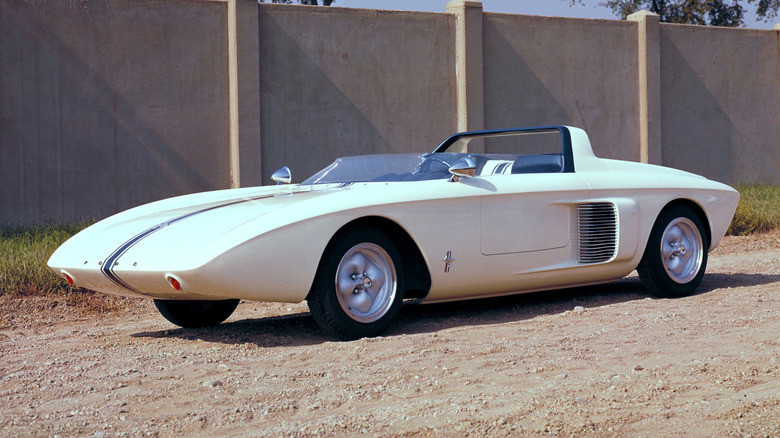
Ford Mustang experimental design 1.
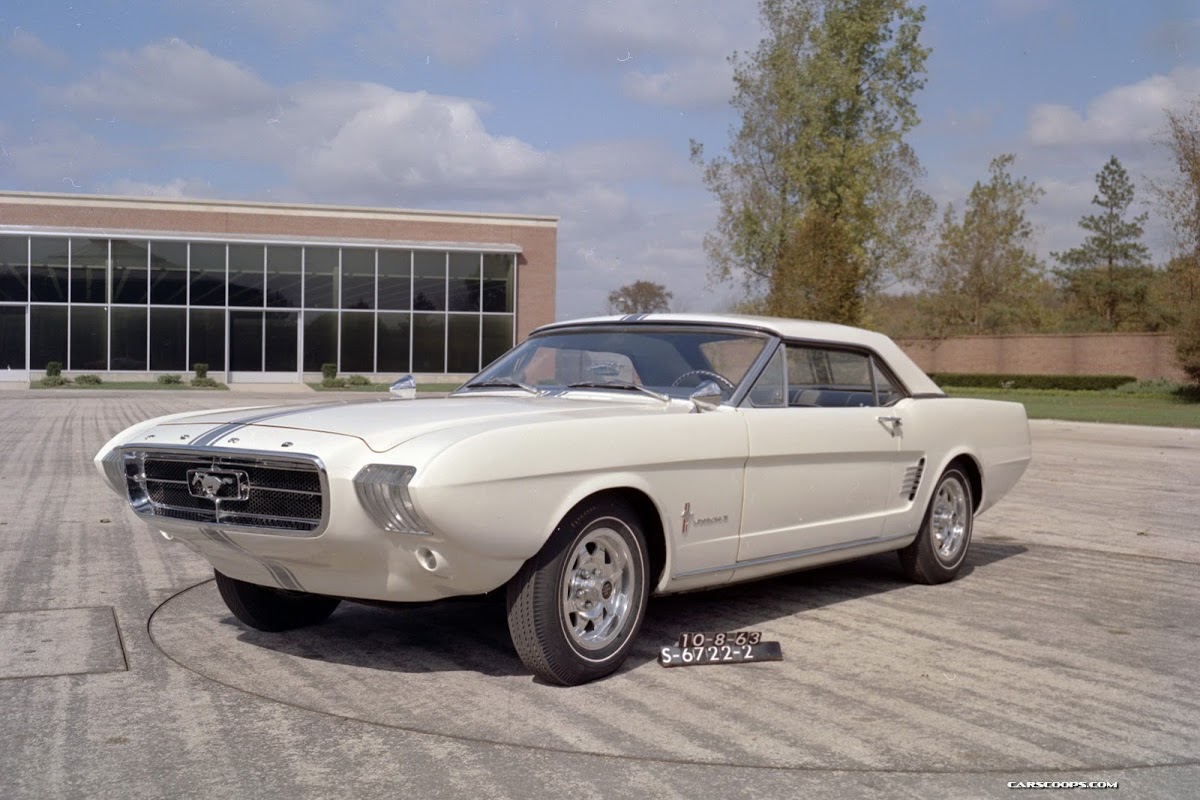
Ford Mustang design II model.
As the Ford Mustang was introduced to the public, a huge publicity campaign became a key part of the car’s introduction and early success. Ford advertised the Mustang in newspapers and on television, and the company used the New York World’s Fair as an important part of the launch. Ford also reported that more than 4 million people visited dealerships during the first weekend.
The Ford Mustang design project began in 1961. Ford was looking for a new car that would appeal to younger buyers and take advantage of growing interest in sporty, compact automobiles. The Mustang I experimental car was introduced in 1962. It was an entirely separate experimental project from the production Mustang, but it helped generate excitement around the Mustang name and Ford’s interest in a new sporty car.
The development of the production Mustang continued at Ford with a team of designers, engineers and executives. Joe Oros, L. David Ash and Gale Halderman played important roles in the winning Ford design. Lee Iacocca was also a major force behind the project, while Ford executives including Gene Bordinat and Herbert Misch were involved in the broader development of Ford’s sporty-car program.
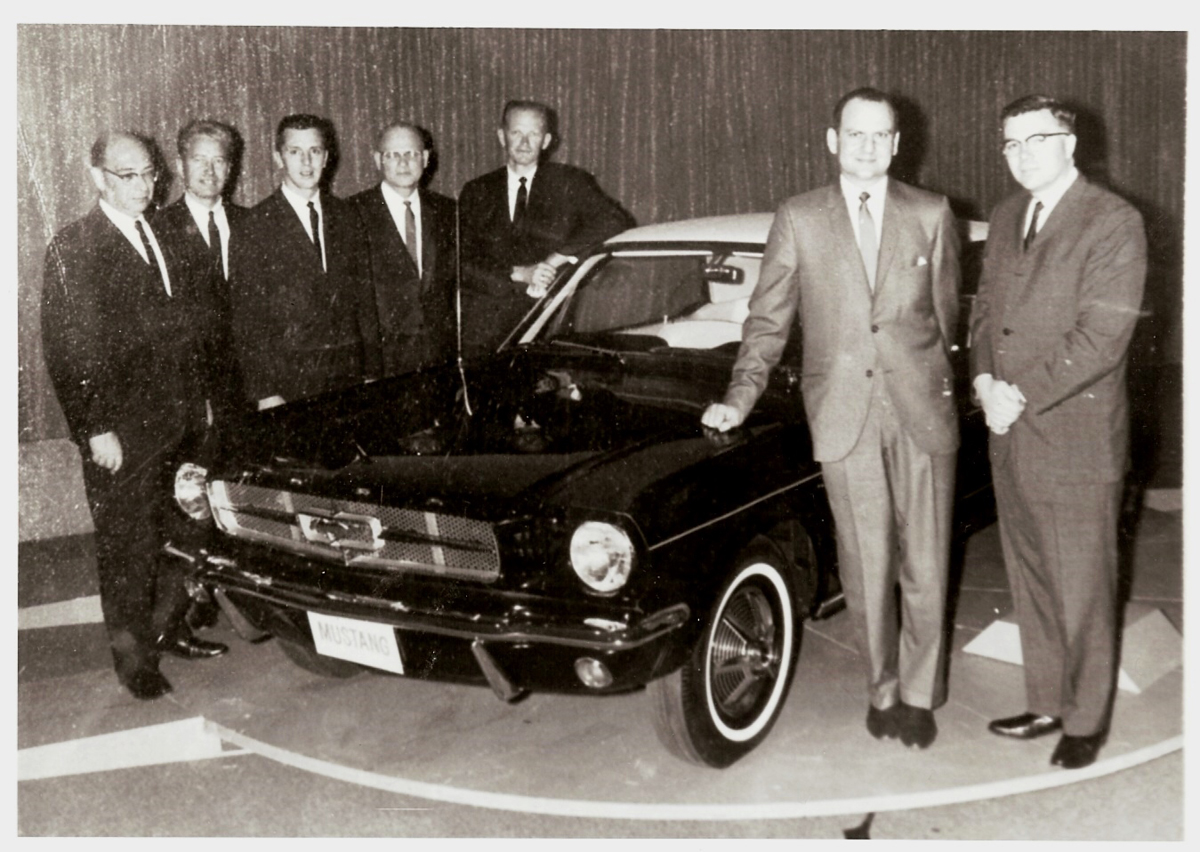
The new Mustang with Lee Iacocca.
A Mustang II show car was introduced in 1963 as another step in building public interest. Ford used the car as a market research and promotional vehicle before the production Mustang reached dealerships. The Mustang II made its debut at Watkins Glen in October 1963.
The Mustang was officially introduced to the public on April 17, 1964, at the New York World’s Fair in Queens, New York. Ford’s press introduction took place earlier that week, and the company used the Ford Pavilion, also known as the Wonder Rotunda, as the centerpiece of its public launch. The Mustang was displayed around the pavilion, and visitors could even experience a Mustang convertible as part of the Magic Skyway attraction.
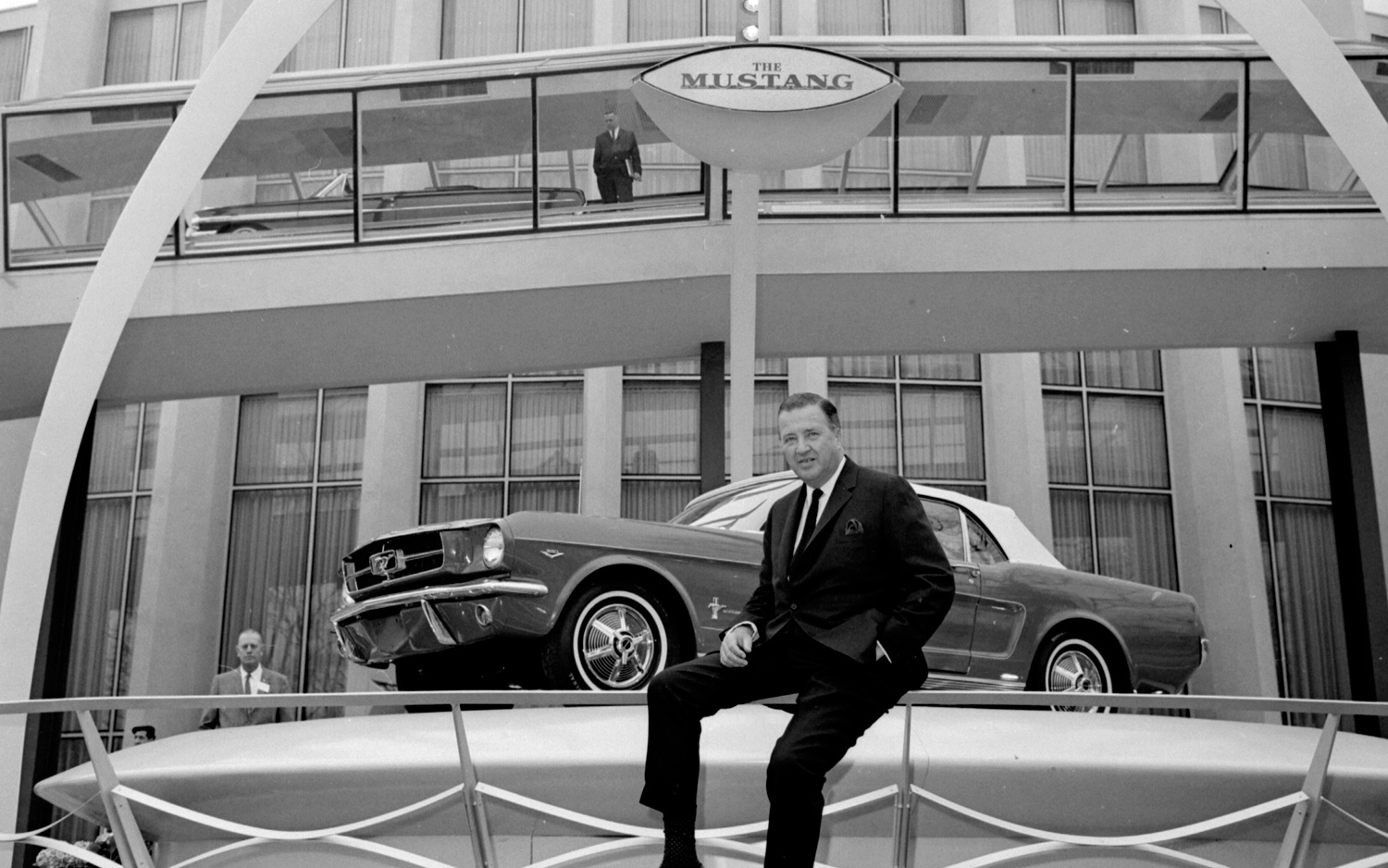
Henry Ford II at the New York world’s Fair.
The excitement surrounding the new Mustang was almost immediate. Ford reported that more than 22,000 Mustangs were ordered on the first day of public sale. More than 100,000 had been sold within four months, and by April 17, 1965, Ford had sold 418,812 Mustangs.
In 1964, a Ford Mustang convertible served as the pace car for the Indianapolis 500. The Indianapolis Motor Speedway lists the 1964 Ford Mustang as that year’s official pace car, with Benson Ford behind the wheel. Ford also produced Mustang pace-car replicas and used the Indianapolis 500 connection as part of its national marketing campaign.
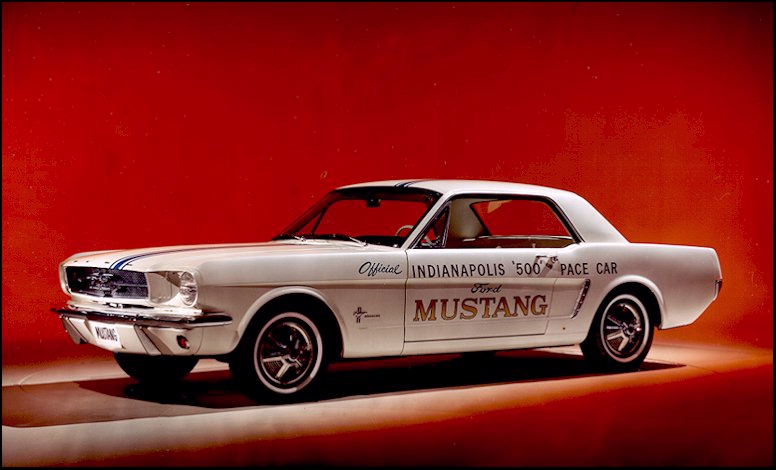
Ford Pace car with logo Indianapolis 500 race.
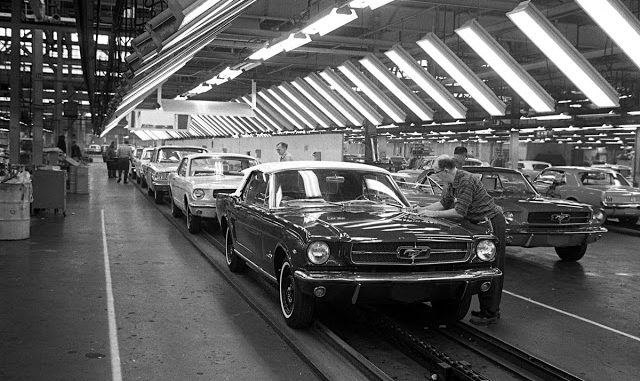
Ford assembly line factory.
As Mustang sales continued to do very well, Ford expanded the Mustang lineup. On Aug. 17, 1964, Ford added the 2+2 fastback, giving the Mustang a third body style. The fastback became one of the most recognizable versions of the early Mustang and helped establish the car as a performance-oriented automobile.
One of the most popular images of the early Mustang is the fastback with its distinctive sloping rear roofline. White Mustangs with blue racing stripes became especially memorable to automotive enthusiasts, although Ford offered the car in a wide range of factory colors and configurations. The 1965 fastback had a base price of $2,589.
Lee Iacocca later described the Mustang’s early reception as exceeding Ford’s expectations. The response from the public was remarkable, with millions of people visiting Ford dealerships during the opening weekend and thousands of customers placing orders.
For me, the 1964½ Ford Mustang remains much more than an important automobile from the past. It represents a time when American automotive design, marketing and popular culture came together in a way that captured the imagination of an entire generation. That is one reason the early Mustang remains so popular with collectors and automotive enthusiasts today.
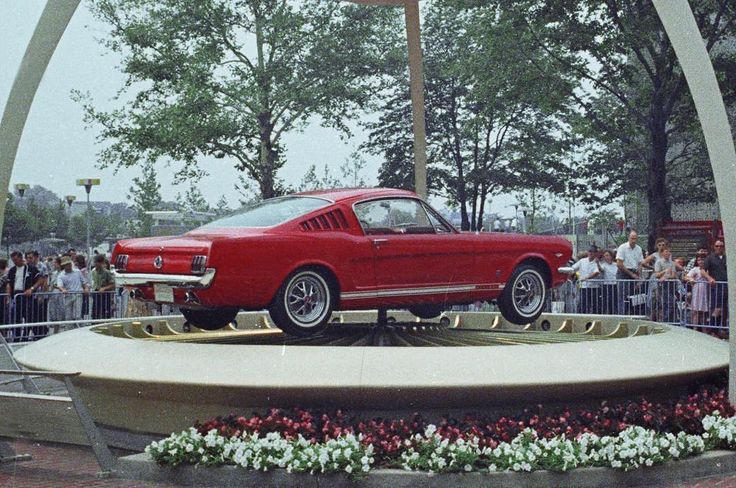
1964-65 Ford Mustang Fastback 2+2.
The late Michael Davis, author of Mustang and the Pony Car Revolution, described the Mustang as a car that helped establish a new automotive category, the “pony car.” The Mustang was built using mechanical components related to Ford’s existing compact-car architecture, including the Ford Falcon, but its distinctive styling, affordability and marketing helped give the car an identity of its own.
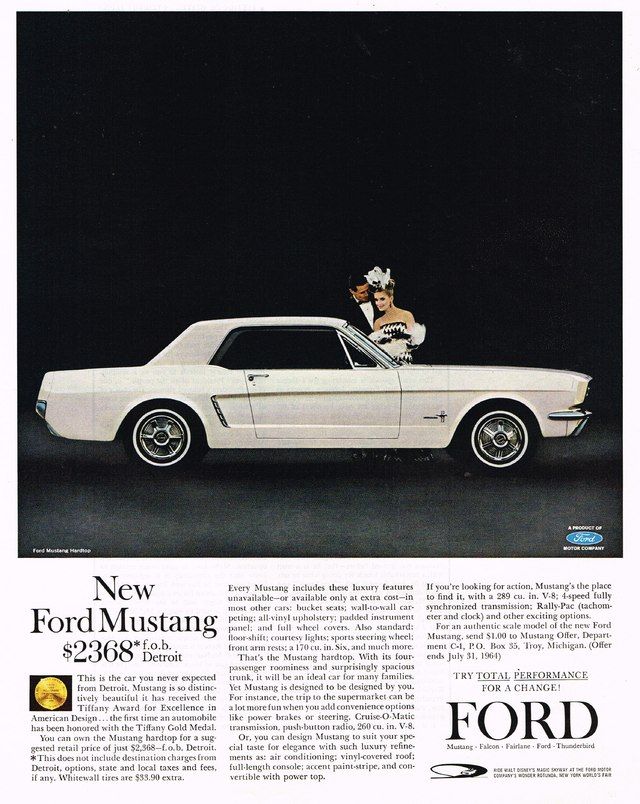
1964 Ford Mustang advertising.
Looking back at the Mustang’s introduction in 1964, it is easy to understand why the car became such an important part of America's automotive history. The Mustang combined sporty styling, practicality, affordability and a wide range of options in a package that appealed to a remarkably broad audience. More than 60 years later, that original Mustang continues to hold a special place among collectors, automotive historians and people like me who appreciate what the car represented when it first arrived on the American auto scene.
Bibliography
Davis W.R. Michael. “Images of America Mustang and the Pony Car Revolution” Published by Arcadia Publishing 2014.
Dammann H. George. “Illustrated History of Ford” Crestline Publishing 1971.
Guide Consumer. “Prototype Cars that never were” Louis Weber Publisher 1981.
Sorensen Lorin. “The Ford Road 75th Anniversary Ford Company 1903-1978” Silverado Publishing Company book 1978.
Novak William. “Iacocca an Autobiography by Lee Iacocca” Bantom Books 1984.
Ford Motor Company: Mustang Debut at the World’s Fair
Ford Motor Company: Birth of the Mustang
Ford Mustang Milestones, 50th Anniversary history
The Henry Ford: 1964 Mustang press packet
The Henry Ford: Mustang I experimental car
Indianapolis Motor Speedway: Indianapolis 500 Pace Cars
Michael W.R. Davis, Mustang and the Pony Car Revolution