


By: Robert Tate, award-winning automotive historian and researcher
Images courtesy of Chrysler Corporate Historical Collection - MMC Detroit
Published 6.03.2026
During the 1960s and 1970s, Dodge captured the attention of American consumers with Ms. Joan Parker, who became known as the Dodge Rebellion Girl and the Dodge Fever Girl. Her memorable appearances helped showcase Dodge vehicles and strengthen the brand's connection with the public.
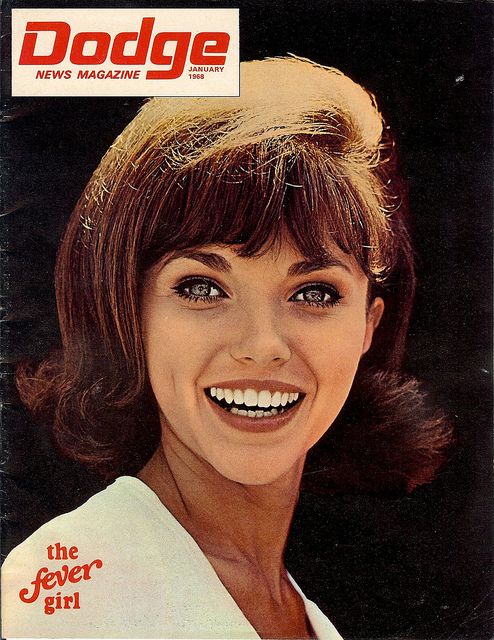
Dodge News magazine featuring Ms. Joan Parker 1968.
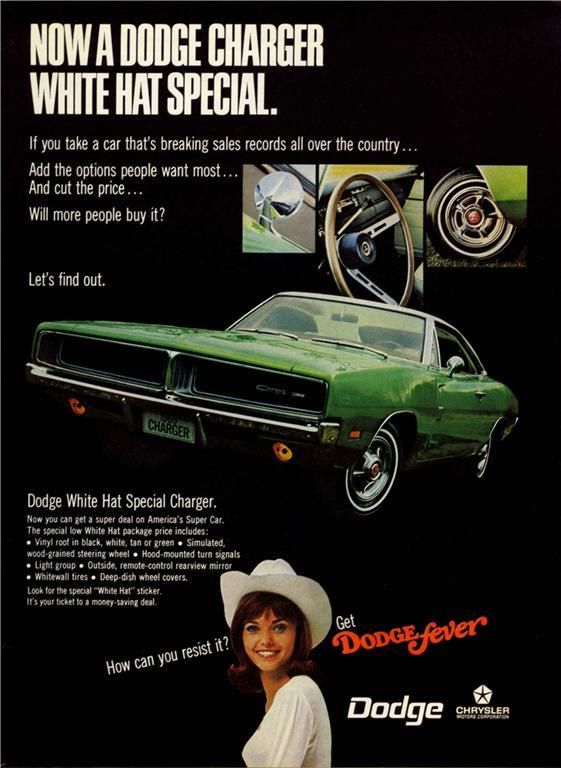
Now A Dodge Charger White Hat Special ad.
The advertising campaigns were an immediate hit and helped define an exciting era in automotive marketing. Featured prominently in Dodge television commercials, Ms. Parker enthusiastically promoted the company's latest models and special "White Hat" deals. Her charm and on-screen presence made her one of the most recognizable faces associated with Dodge advertising during the period.
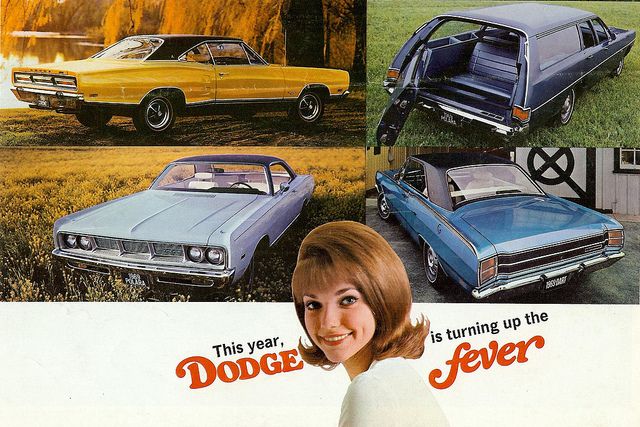
This year dodge is turning up the fever advertising 1969.
In the 1960s, serving as the public face of a major automobile manufacturer could turn a spokesperson into a household name. During that era, filming an automotive commercial was a time-consuming process that often required months of planning and production. By contrast, today's technology allows commercials to be created far more quickly. In 1968, Dodge's advertising agency unveiled vibrant color advertisements showcasing its exciting lineup of new muscle cars. Among the featured personalities was Ms. Joan Parker, whose appearances helped attract attention to Dodge vehicles and contributed to the success of models such as the Dodge Charger.
Ms. Parker quickly became a favorite among consumers and received thousands of fan letters from admirers across the globe during the late 1960s. Prior to her role with Dodge, Pamela Austin had gained recognition as the Dodge Rebellion Girl, appearing in the company's successful advertising campaigns between 1965 and 1967. Her contributions helped build momentum for Dodge's marketing efforts before she moved on to pursue a career in film and television.
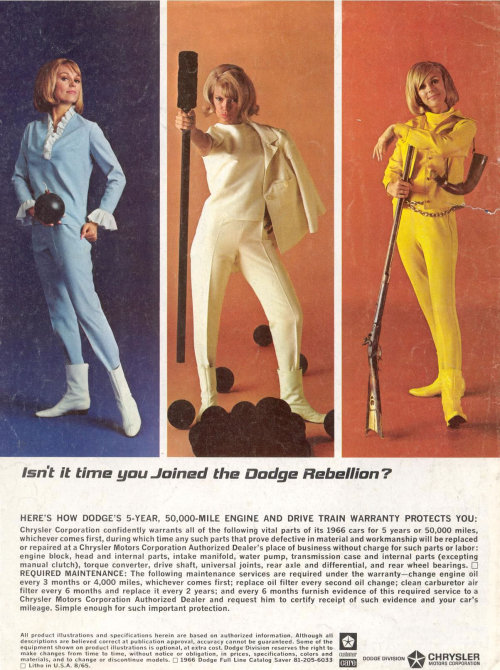
Isn’t it time you joined the Dodge Rebellion advertising in 1966.
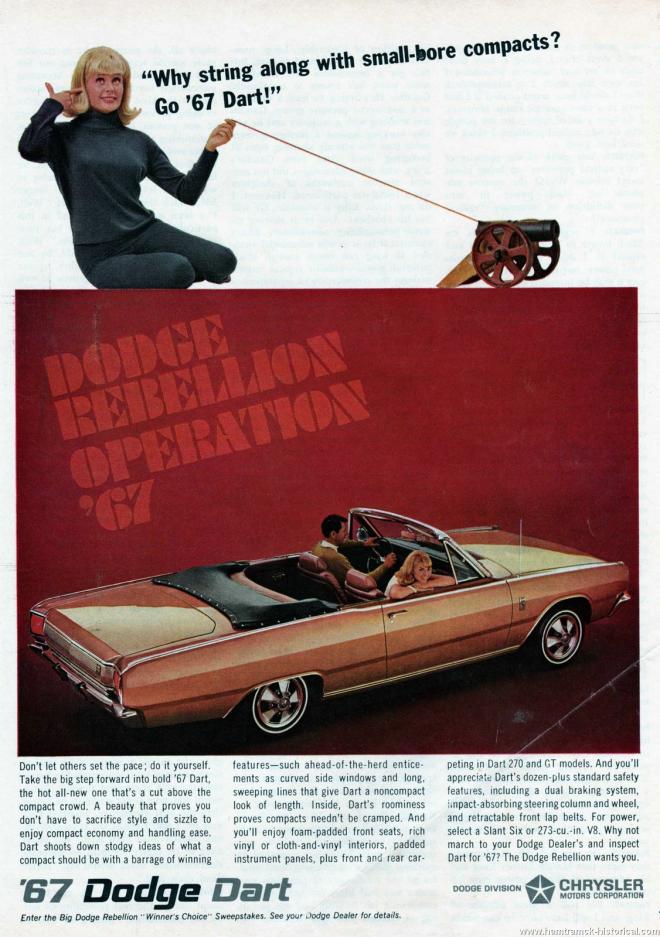
Dodge Rebellion operation 1967 advertising.
In 1968, Dodge advertising appeared in widely read publications such as Life, Car Life, Car Craft, and Hot Rod, which were especially popular with younger consumers. Dodge products were flying off the lot, and Ms. Joan Parker played a central role in many of the brands’ most successful campaigns. Reflecting the youthful fashion trends of the 1960s, she often appeared wearing a white cowboy hat, a white mini dress, and Go-Go boots, which was an iconic look popularized by Nancy Sinatra in her 1966 hit, These Boots Are Made for Walkin. Her style and presence helped make Dodge advertising both memorable and culturally relevant.
As the 1960s gave way to the 1970s, Dodge continued to build successful marketing campaigns around female spokespersons who helped bring personality and appeal to the brand. In 1970, Cheryl Miller replaced Ms. Joan Parker as the face of Dodge advertising. Along with the change in spokesperson came a new slogan, "You Could Be Dodge Material," which reflected the company's fresh marketing direction. Miller quickly became a familiar presence in both print and television advertising, introducing consumers to Dodge's newest products and performance-oriented image.
That same year, Dodge launched the new Dodge Challenger R/T, a muscle car that would become one of the most recognizable vehicles of the era. Advertisements featuring the slogan, "This Pony Has Horses...1970 Dodge Challenger R/T," helped generate excitement among younger buyers and contributed to the model's immediate popularity. Historians of the automotive industry have frequently described Cheryl Miller as representing the wholesome and relatable "American girl" image that resonated with consumers throughout the 1970s. Her role extended beyond the Challenger, as she also promoted Dodge's broader lineup, including the Dart Swinger, Charger and Monaco models.
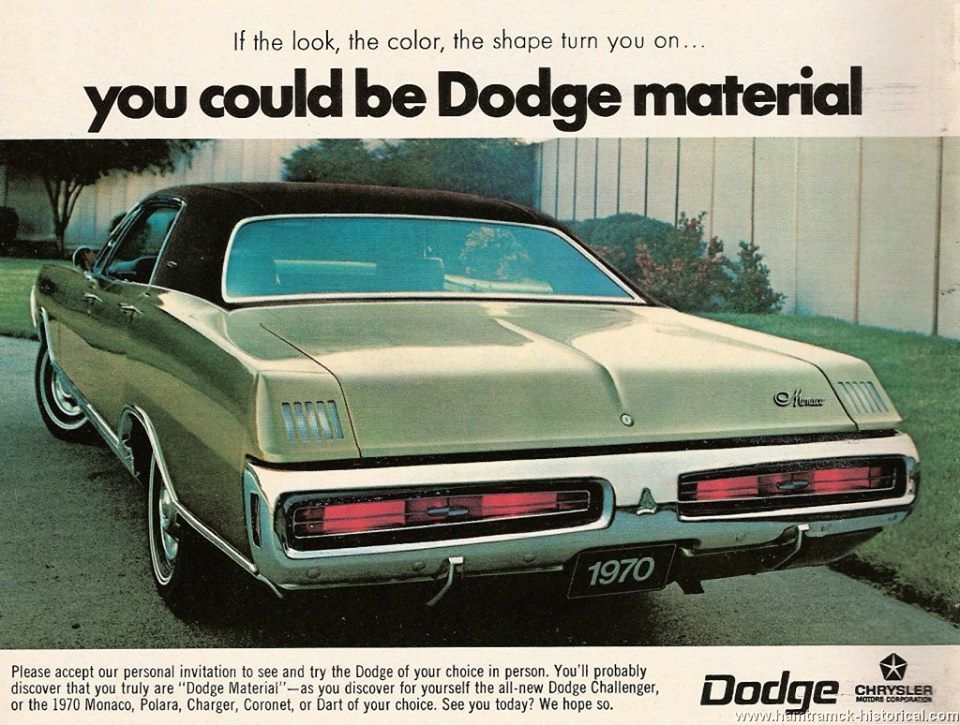
You could be Dodge material 1970 advertising.
The early 1970s represented a high point for Dodge, with strong sales and advertising campaigns that resonated with consumers across the country. Following Cheryl Miller's departure after 1972, the automotive landscape began to shift as the 1973 Oil Embargo created a fuel crisis that changed consumer buying habits and the direction of the industry. Nevertheless, Joan Parker, Pamela Austin, and Cheryl Miller remain important figures in Dodge history. Through their roles in advertising and marketing, they helped promote Dodge products to a generation of consumers and became memorable representatives of an iconic era in automotive culture.
Bibliography
Frumkin MJ. “Classic muscle Car advertising the art of Selling Horsepower” Krause Publications 2002.
Puckett Elizabeth. “Video: 1969 Dodge charger vintage Fever Girl commercial” April 11, 2017, timeless Muscle Magazine.
Owens Cotton. “Dodge Fever Gril” Dodge News magazine page 3 January 1968.